x
r a i n b o w

Treatments

Cataract

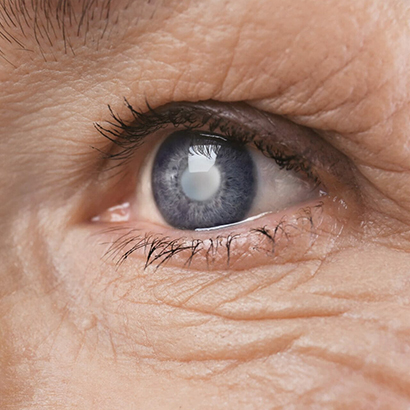
A cataract is a common eye condition where the natural lens of the eye becomes cloudy, causing blurred or dim vision. It often develops gradually with age and can affect one or both eyes. Cataracts can interfere with daily activities such as reading, driving, or seeing clearly at night.

Vision screenings use inadequate testing equipment.

The lens of the eye helps focus light on the retina, enabling clear vision. In a healthy eye, this lens is transparent. However, when a cataract forms, proteins in the lens clump together, clouding the lens and reducing the sharpness of vision. Cataracts are most often related to aging, but they can also result from eye injuries, diabetes, certain medications, or prolonged exposure to UV rays. Cataract surgery is a safe and effective procedure that removes the cloudy lens and replaces it with an artificial intraocular lens (IOL), restoring clear vision.

Comprehensive eye exams

During a comprehensive eye exam, your eye care professional assesses your visual acuity, prescription for glasses or contact lenses, and examines the internal and external structures of your eyes. The exam may include: Visual acuity test (clarity of vision) Refraction test (for glasses/contact lens prescription) Eye muscle movement test Pupil response to light Slit-lamp examination (to check for cataracts, corneal issues, etc.) Intraocular pressure measurement (to screen for glaucoma) Retinal examination (to evaluate optic nerve and blood vessels) These exams are essential for early detection of eye problems like glaucoma, cataracts, macular degeneration, and even signs of diabetes or high blood pressure.

Recommended Frequency:
Every 1–2 years for adults and annually for children, seniors, or individuals with existing vision problems or health conditions like diabetes.
A comprehensive eye exam is a vital part of maintaining healthy vision and preventing serious eye conditions.

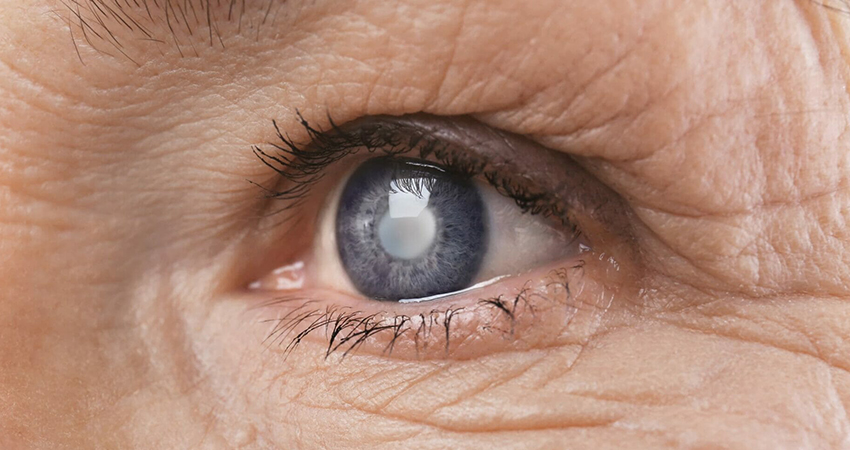
The benefits of cataract surgery

Cataract surgery is one of the safest and most effective eye procedures, offering significant improvements in vision and quality of life. It involves removing the clouded natural lens and replacing it with a clear, artificial intraocular lens (IOL).

  • Restores sharpness, brightness, and color perception, allowing you to see clearly again.
  • Reduces glare and halos around lights, making night driving and low-light activities safer.
  • Reduces dependence on others and may even decrease your need for glasses in many cases.

Contacts